What Affects Gold Prices Globally
Table of Contents
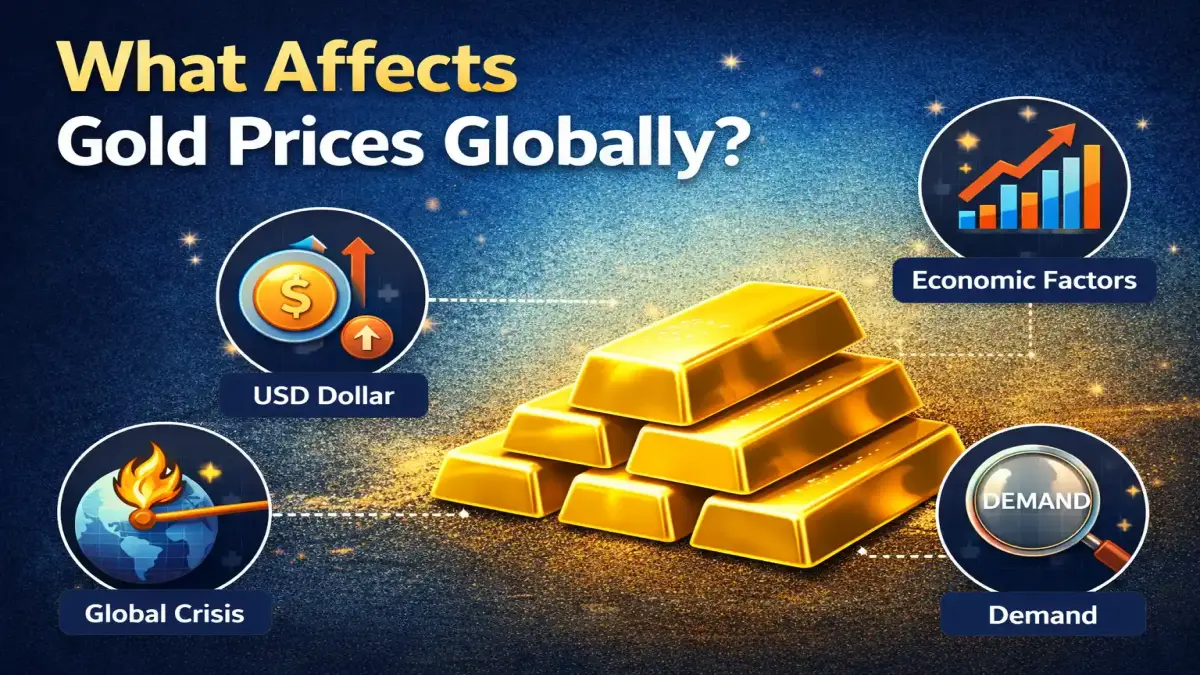
Gold prices dance to the rhythm of multiple global forces working together. Economic health, central bank decisions, political tensions, and supply chains all play their part in determining whether gold climbs or falls. The strength of the dollar and investor sentiment adds another layer of complexity to this already intricate puzzle.
For investors, traders, and anyone curious about precious metals markets, understanding what affects gold prices globally can help you make smarter financial decisions and spot market opportunities. In this comprehensive guide, we'll explore each major factor in detail with real-world examples and historical data.
1️⃣ Economic Indicators That Drive Gold Demand
📈 Inflation Rates and Currency Devaluation Effects
Gold has earned its reputation as the ultimate hedge against inflation for good reason. When inflation rises, the purchasing power of fiat currencies erodes, making tangible assets like gold increasingly attractive. Central banks often respond to inflation by printing more money, which further weakens currency values and drives investors toward gold as a store of value.
Currency devaluation creates a domino effect across global markets. When major currencies like the dollar, euro, or yen weaken significantly, international investors often flock to gold as a universal store of value that transcends national borders.
🏦 Interest Rate Changes and Investment Alternatives
Interest rates represent one of the most powerful forces affecting gold demand. Gold doesn't pay dividends or interest, making it less attractive when interest-bearing assets offer substantial returns. When central banks raise interest rates, bonds, savings accounts, and other fixed-income investments become more appealing, often leading to gold sell-offs.
The opportunity cost calculation becomes crucial here. If government bonds yield 5%, investors need compelling reasons to hold non-yielding gold instead. Conversely, when rates approach zero or turn negative, gold's lack of yield becomes irrelevant, and its wealth preservation qualities shine.
📊 GDP Growth Patterns and Economic Stability
Economic growth patterns significantly influence gold demand, though the relationship varies across different economic phases. During robust GDP growth periods, risk appetite typically increases, leading investors toward stocks and growth assets rather than defensive plays like gold.
Recession expectations create some of the strongest gold buying waves. When leading indicators suggest economic contraction ahead, investors often rotate into gold before widespread recognition of the downturn.
💼 Employment Data and Consumer Confidence
Employment statistics serve as critical barometers for economic health and gold demand. Strong job markets typically reduce gold's appeal as insurance against economic hardship, while rising unemployment often triggers increased precious metals buying.
Consumer confidence surveys frequently correlate with gold price movements, though sometimes inversely. High confidence levels usually coincide with increased risk-taking and reduced demand for safe-haven assets.
2️⃣ Central Bank Policies and Monetary Decisions
🏛️ Gold Reserve Purchases and Sales by Major Banks
Central banks hold approximately 20% of the world's gold reserves, making their buying and selling decisions incredibly influential on global prices. When major institutions like the Federal Reserve, European Central Bank, or People's Bank of China announce significant gold acquisitions, markets typically respond with immediate price increases.
| Country/Central Bank | Gold Reserves (Tonnes) | Recent Buying Trend |
|---|---|---|
| United States | 8,133 | Stable |
| Germany | 3,352 | Stable |
| China | 2,260+ | Aggressive buying since 2022 |
| Russia | 2,332 | Steady accumulation |
| India | 800+ | Moderate buying |
| Turkey | 570+ | Heavy buying during lira crisis |
💵 Quantitative Easing Programs and Money Supply
Quantitative easing programs create some of the strongest bullish conditions for gold prices. When central banks flood markets with newly printed money to purchase government bonds and securities, they essentially devalue their currency while increasing inflation risks. Gold becomes an attractive hedge during these periods.
The Federal Reserve's massive QE programs following the 2008 financial crisis and COVID-19 pandemic demonstrate this relationship perfectly. Each announcement of expanded money supply led to significant gold rallies.
3️⃣ Geopolitical Events and Market Uncertainty
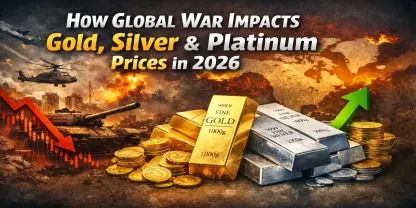
⚔️ International Conflicts and War Impact
Wars and armed conflicts create immediate shocks in gold markets as investors rush to secure their wealth in tangible assets. When Russia invaded Ukraine in 2022, gold prices surged above $2,000 per ounce within days as global markets panicked.
Regional conflicts also matter significantly. Middle East tensions often trigger gold rallies because the region controls substantial oil reserves, and energy price spikes typically fuel inflation concerns.
🗳️ Political Instability and Election Outcomes
Elections in major economies create volatility windows that gold traders monitor closely. Presidential elections in the United States, European Parliament changes, and leadership transitions in China all influence gold prices through policy uncertainty.
Brexit negotiations demonstrated how prolonged political uncertainty affects precious metals markets. Gold prices fluctuated dramatically throughout the multi-year process as traders reacted to each development.
🌐 Trade Wars and Economic Sanctions
Trade disputes between economic superpowers create immediate gold market reactions. The US-China trade war beginning in 2018 showcased how tariff announcements and negotiation breakdowns could swing gold prices by $50-100 per ounce in single trading sessions.
🦠 Global Health Crises and Pandemic Effects
The COVID-19 pandemic illustrated gold's role during worldwide health emergencies. Initial market panic in March 2020 saw brief gold selling as investors needed cash, but prices quickly recovered and reached record highs above $2,070 per ounce as central banks implemented unprecedented stimulus measures.
4️⃣ Supply and Demand Market Dynamics
⛏️ Mining Production Levels and New Discoveries
Gold mining output plays a crucial role in determining global prices through basic supply economics. Countries like China, Australia, Russia, and the United States dominate global production, with any disruptions to their operations creating ripple effects worldwide.
| Country | Annual Production (Tonnes) | Global Share |
|---|---|---|
| China | 370+ | 10% |
| Australia | 330+ | 9% |
| Russia | 300+ | 8% |
| United States | 170+ | 5% |
| Canada | 170+ | 5% |
💍 Jewelry Market Trends and Cultural Demand
Jewelry consumption typically accounts for 50-60% of annual gold demand, making it the largest single use category. Cultural preferences and economic conditions in key markets like India and China significantly influence global pricing patterns.
Indian gold demand follows monsoon seasons, wedding periods, and festival calendars. Strong monsoons boost rural incomes, increasing jewelry purchases during wedding season and festivals like Diwali.
🔬 Industrial and Technological Gold Consumption
Beyond its role as a store of value, gold serves critical functions in modern technology. Electronics manufacturing consumes approximately 8-10% of annual gold supply, with smartphones, computers, and other devices requiring gold for connectors and circuit boards.
5️⃣ Currency Fluctuations and Dollar Strength
💵 US Dollar Index Movements and Inverse Correlation
The relationship between gold prices and the US dollar is one of the most reliable patterns in global markets. When the dollar strengthens, gold typically becomes more expensive for holders of other currencies, reducing demand and pushing prices down.
The Dollar Index (DXY), which measures the greenback against a basket of six major currencies, serves as the primary gauge for this relationship. A rising DXY often signals falling gold prices, while a weakening dollar usually coincides with gold rallies.
🌍 Emerging Market Currency Crises
Emerging market currency collapses create some of the most dramatic gold price movements. When local currencies plummet, residents rush to gold as a store of value, creating intense regional demand that affects global prices.
6️⃣ Investment Market Behavior and Speculation
📈 ETF Flows and Institutional Investment Patterns
Exchange-traded funds have become major players in gold price movements, with their buying and selling patterns creating ripple effects across global markets. The largest gold ETF, SPDR Gold Shares (GLD), holds hundreds of tons of physical gold.
Institutional investment patterns reveal telling stories about market sentiment. Pension funds, sovereign wealth funds, and large asset managers follow carefully calculated strategies, and when these giants increase their gold exposure, the resulting demand can move markets significantly.
📊 Futures Trading and Speculative Activity
The futures market represents where gold's short-term price volatility often originates. Traders using leverage can control large positions with relatively small amounts of capital, amplifying their impact on price discovery.
Hedge funds and algorithmic trading systems have transformed how speculation affects gold prices. The weekly Commitment of Traders report provides insights into whether speculators are betting on rising or falling gold prices.
🛡️ Safe Haven Asset Allocation During Market Stress
Stock market crashes and economic crises trigger predictable investor behavior - a flight to safety that benefits gold prices. During the 2008 financial crisis, gold surged as investors abandoned risky assets for the perceived security of precious metals.
₿ Cryptocurrency Competition and Digital Asset Impact
Bitcoin and other cryptocurrencies have emerged as alternative stores of value, creating competition for gold's traditional role. Younger investors often view Bitcoin as "digital gold" and prefer its technological appeal over physical metals.
🎯 Key Takeaways for Gold Investors
- Watch real interest rates — negative real rates are gold's best friend
- Monitor central bank actions — especially from China, Russia, and India
- Track geopolitical tensions — conflicts drive safe-haven demand
- Follow the DXY (Dollar Index) — inverse correlation remains reliable
- Observe ETF flows — institutional money moves markets
- Don't ignore crypto competition — digital assets affect younger investor behavior
📊 Summary: The 7 Key Factors at a Glance
| Factor | Impact on Gold Prices | Key Indicator to Watch |
|---|---|---|
| Inflation | High inflation → Higher gold prices | CPI, PPI reports |
| Interest Rates | Low rates → Higher gold prices | Fed policy meetings |
| Central Bank Buying | Increased buying → Higher prices | World Gold Council reports |
| Geopolitical Events | Conflicts → Higher prices | News headlines |
| US Dollar Strength | Weak dollar → Higher gold prices | DXY Index |
| Supply/Demand | Mining disruptions → Higher prices | Quarterly production reports |
| Market Speculation | ETF inflows → Higher prices | COMEX positioning data |
✅ Conclusion: Putting It All Together
Gold prices dance to the rhythm of multiple global forces working together. Economic health, central bank decisions, political tensions, and supply chains all play their part in determining whether gold climbs or falls. The strength of the dollar and investor sentiment adds another layer of complexity to this already intricate puzzle.
Smart investors keep their eyes on these interconnected factors rather than trying to predict gold's next move based on single events. Understanding how these elements work together gives you a clearer picture of gold's role in your portfolio. Whether you're buying physical gold or investing in gold-related securities, staying informed about these key drivers will help you make better decisions in an ever-changing market.



0 Comments